Punjab Flood Disasters: Causes, Impacts, and Preparedness Measures
Punjab’s rivers and monsoon rains make the state vulnerable to floods. Learn about the causes, impacts, and how communities prepare and recover.
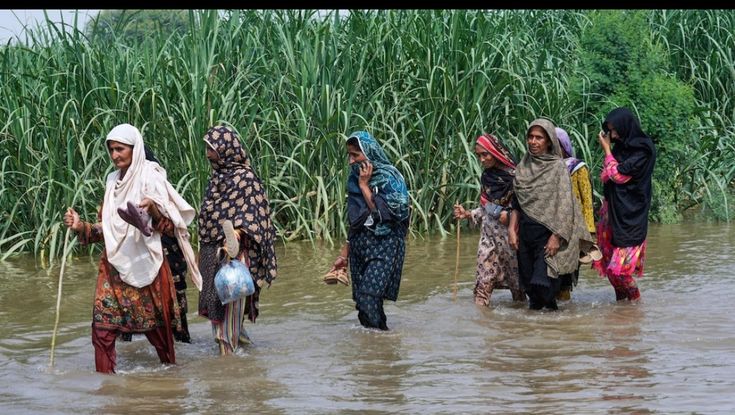
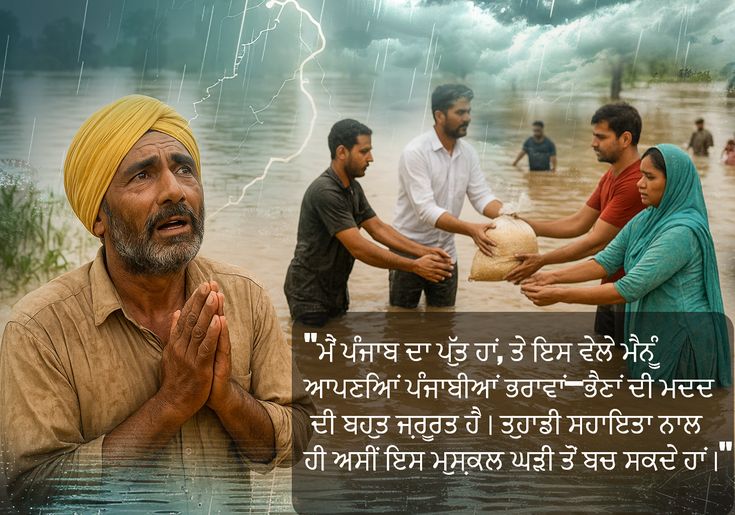
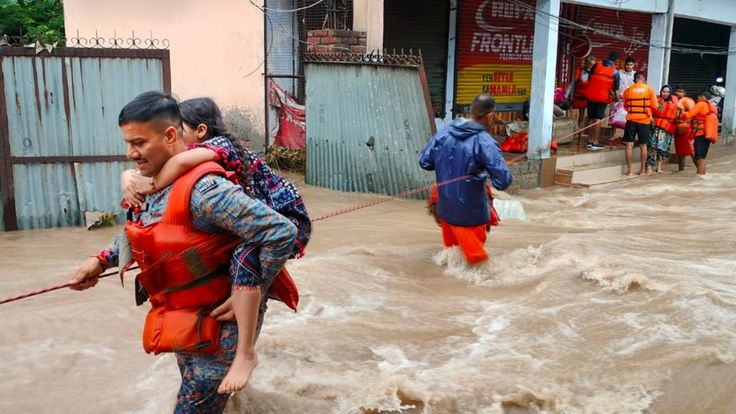
Punjab, the “Granary of India”, is famous for its fertile land and extensive river network, including the Sutlej, Beas, and Ravi rivers. While these rivers support agriculture, they also make the state highly vulnerable to floods, particularly during the monsoon season. Heavy rainfall, dam water releases, and poor drainage often lead to waterlogging, crop damage, and displacement of communities.
Organizations like Godwills Disaster Assurance Help Management Council India work to support affected communities, provide relief, and improve preparedness, helping Punjab reduce the impact of floods and recover faster.
Punjab Flood Disasters: Causes, Impacts, and Preparedness Measures
Punjab’s rivers and monsoon rains make the state vulnerable to floods. Learn about the causes, impacts, and how communities prepare and recover.
Punjab, the “Granary of India”, is famous for its fertile land and extensive river network, including the Sutlej, Beas, and Ravi rivers. While these rivers support agriculture, they also make the state highly vulnerable to floods, particularly during the monsoon season. Heavy rainfall, dam water releases, and poor drainage often lead to waterlogging, crop damage, and displacement of communities.
Organizations like Godwills Disaster Assurance Help Management Council India work to support affected communities, provide relief, and improve preparedness, helping Punjab reduce the impact of floods and recover faster.
Causes of Floods in Punjab
Heavy Monsoon Rainfall: Continuous rains during July–September cause rivers to swell beyond capacity.
Upstream Dam Releases: Sudden discharge from dams like Bhakra, Ranjit Sagar, and Pong worsens flooding downstream.
Overflowing Canals and Poor Drainage: Canal breaches and low-lying areas often face severe waterlogging.
Unplanned Urbanization: Towns such as Ludhiana, Jalandhar, and Amritsar suffer due to inadequate drainage infrastructure.
Causes of Floods in Punjab
Heavy Monsoon Rainfall: Continuous rains during July–September cause rivers to swell beyond capacity.
Upstream Dam Releases: Sudden discharge from dams like Bhakra, Ranjit Sagar, and Pong worsens flooding downstream.
Overflowing Canals and Poor Drainage: Canal breaches and low-lying areas often face severe waterlogging.
Unplanned Urbanization: Towns such as Ludhiana, Jalandhar, and Amritsar suffer due to inadequate drainage infrastructure.
Impacts of Flood Disasters in Punjab
Agricultural Loss: Standing crops like rice, wheat, maize, and sugarcane are destroyed, affecting farmer income.
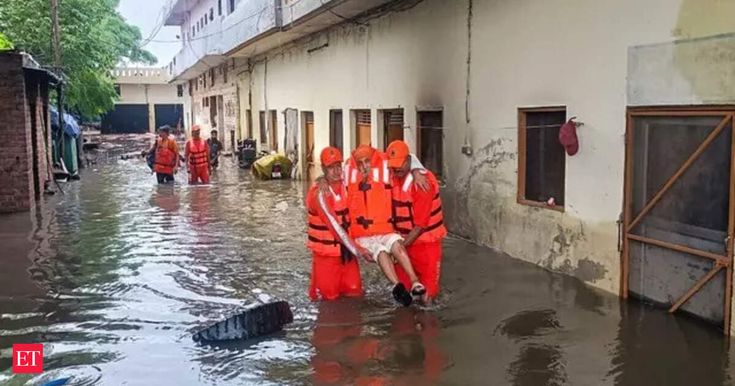
Damage to Villages: Homes and villages are submerged, forcing people into temporary shelters
Infrastructure Collapse: Roads, bridges, and canals are damaged, disrupting transport and communication.
Public Health Concerns: Stagnant water leads to waterborne diseases like cholera, dengue, and malaria.
Economic Setbacks: Loss of crops and infrastructure disrupts local economies and livelihoods.
Impacts of Flood Disasters in Punjab
Agricultural Loss: Standing crops like rice, wheat, maize, and sugarcane are destroyed, affecting farmer income.
Damage to Villages: Homes and villages are submerged, forcing people into temporary shelters
Infrastructure Collapse: Roads, bridges, and canals are damaged, disrupting transport and communication.
Public Health Concerns: Stagnant water leads to waterborne diseases like cholera, dengue, and malaria.
Economic Setbacks: Loss of crops and infrastructure disrupts local economies and livelihoods.
Preparedness and Relief Measures
Strengthening River Embankments: Regular repair and monitoring of Sutlej and Beas embankments.
Flood Forecasting & Early Warnings: Modern technology helps alert residents in advance.
Improved Drainage Systems: Proper stormwater drainage for towns and rural areas.
Community Awareness Programs: Educating locals on evacuation, emergency plans, and flood safety.
Crop Insurance & Compensation Schemes: Financial support for farmers affected by floods.
Preparedness and Relief Measures
Strengthening River Embankments: Regular repair and monitoring of Sutlej and Beas embankments.
Flood Forecasting & Early Warnings: Modern technology helps alert residents in advance.
Improved Drainage Systems: Proper stormwater drainage for towns and rural areas.
Community Awareness Programs: Educating locals on evacuation, emergency plans, and flood safety.
Crop Insurance & Compensation Schemes: Financial support for farmers affected by floods.
Role of Godwills Disaster Assurance Help Management Council India
During floods, Godwills Disaster Assurance Help Management Council India plays a pivotal role in relief, preparedness, and community resilience:
Role of Godwills Disaster Assurance Help Management Council India
During floods, Godwills Disaster Assurance Help Management Council India plays a pivotal role in relief, preparedness, and community resilience:
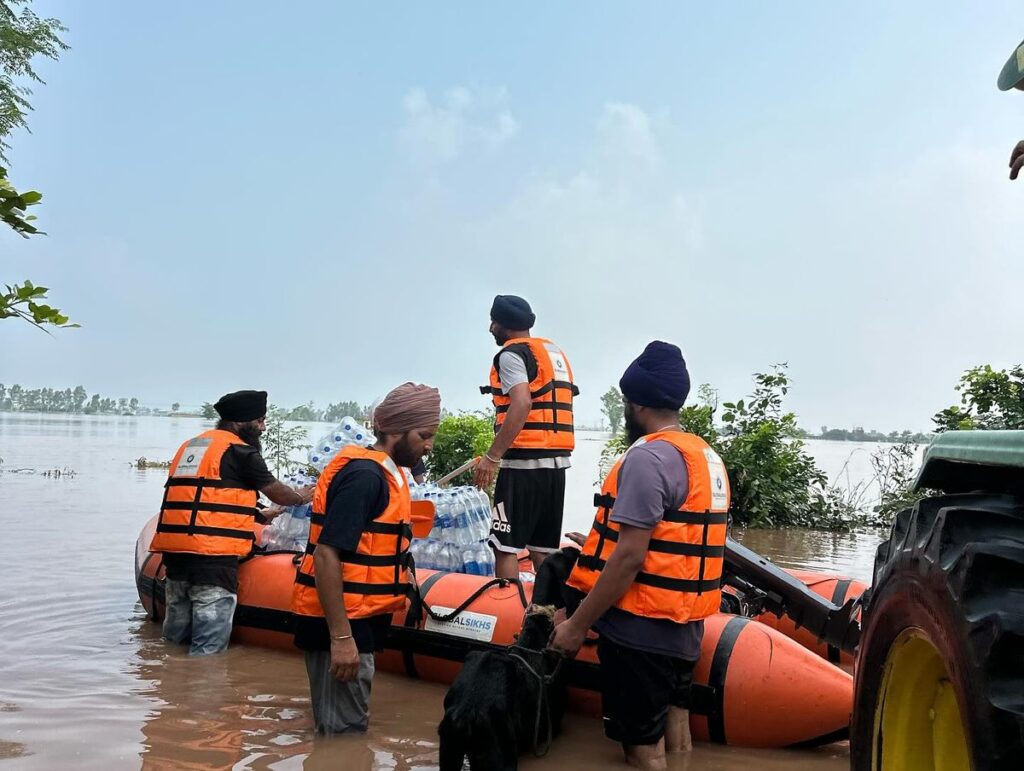
Emergency Relief: Providing food, water, temporary shelters, and medical aid to affected families.
Community Awareness: Conducting workshops on flood safety, first aid, and emergency response.
Farmer & Livelihood Support: Assisting farmers with crop insurance, disaster loans, and rehabilitation guidance.
Collaboration with Local Authorities: Working with panchayats and district authorities for effective disaster management.
Long-Term Resilience Programs: Promoting flood-resistant housing, afforestation, and disaster preparedness training.
Emergency Relief: Providing food, water, temporary shelters, and medical aid to affected families.
Community Awareness: Conducting workshops on flood safety, first aid, and emergency response.
Farmer & Livelihood Support: Assisting farmers with crop insurance, disaster loans, and rehabilitation guidance.
Collaboration with Local Authorities: Working with panchayats and district authorities for effective disaster management.
Long-Term Resilience Programs: Promoting flood-resistant housing, afforestation, and disaster preparedness training.
Conclusion
Punjab’s floods are a recurring natural challenge that affects millions every year. While floods cannot be entirely prevented, preparedness, community awareness, and coordinated relief efforts can minimize damage. Through the support of organizations like Godwills Disaster Assurance Help Management Council India, communities in Punjab can recover faster, safeguard their livelihoods, and build long-term resilience against future floods.
Conclusion
Punjab’s floods are a recurring natural challenge that affects millions every year. While floods cannot be entirely prevented, preparedness, community awareness, and coordinated relief efforts can minimize damage. Through the support of organizations like Godwills Disaster Assurance Help Management Council India, communities in Punjab can recover faster, safeguard their livelihoods, and build long-term resilience against future floods.