Himalayan Flood Disasters: Causes, Impacts, and Preparedness Measures
The Himalayan region is prone to floods due to steep slopes, heavy rainfall, and melting glaciers. Learn about the causes, impacts, and how communities prepare and recover.
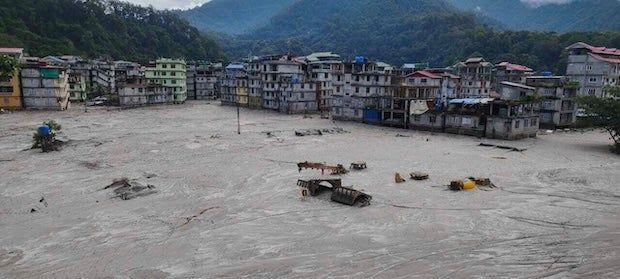
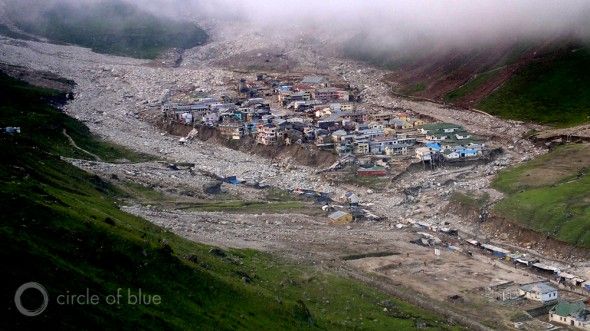
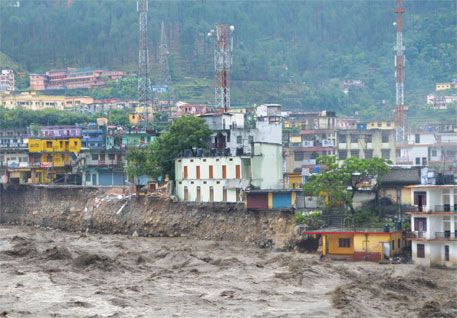
The Himalayan states, including Uttarakhand, Himachal Pradesh, Sikkim, and parts of Jammu & Kashmir, are not only famous for their breathtaking landscapes but are also highly vulnerable to floods and landslides. Steep mountains, narrow valleys, and fragile ecosystems make these states prone to sudden and devastating flash floods, river overflows, and glacial lake outburst floods (GLOFs).
Organizations like Godwills Disaster Assurance Help Management Council India work to support affected communities, provide relief, and improve preparedness, helping Himalayan communities recover faster and build long-term resilience.
Himalayan Flood Disasters: Causes, Impacts, and Preparedness Measures
The Himalayan region is prone to floods due to steep slopes, heavy rainfall, and melting glaciers. Learn about the causes, impacts, and how communities prepare and recover.
The Himalayan states, including Uttarakhand, Himachal Pradesh, Sikkim, and parts of Jammu & Kashmir, are not only famous for their breathtaking landscapes but are also highly vulnerable to floods and landslides. Steep mountains, narrow valleys, and fragile ecosystems make these states prone to sudden and devastating flash floods, river overflows, and glacial lake outburst floods (GLOFs).
Organizations like Godwills Disaster Assurance Help Management Council India work to support affected communities, provide relief, and improve preparedness, helping Himalayan communities recover faster and build long-term resilience.
Causes of Floods in Himalayan States
Heavy Monsoon Rainfall: Sudden and intense rains trigger river overflow and flash floods.
Glacial Melting and GLOFs: Rapid melting glaciers and bursting glacial lakes release massive water downstream.
Deforestation and Land Degradation: Reduced forest cover increases the risk of landslides and flooding.
Unplanned Urbanization: Towns in hilly areas with poor drainage worsen flood impacts.
Causes of Floods in Himalayan States
Heavy Monsoon Rainfall: Sudden and intense rains trigger river overflow and flash floods.
Glacial Melting and GLOFs: Rapid melting glaciers and bursting glacial lakes release massive water downstream.
Deforestation and Land Degradation: Reduced forest cover increases the risk of landslides and flooding.
Unplanned Urbanization: Towns in hilly areas with poor drainage worsen flood impacts.
Impacts of Flood Disasters in Himalayan States
Impacts of Flood Disasters in Himalayan States
Loss of Lives and Property: Homes, roads, and bridges are washed away during flash floods.
Agricultural Damage: Farmland and crops in valleys are destroyed.
Environmental Degradation: Soil erosion, landslides, and forest destruction are common.
Displacement of Communities: People are forced to evacuate, losing homes and livelihoods.
Economic Losses: Tourism, agriculture, and local businesses face disruption.
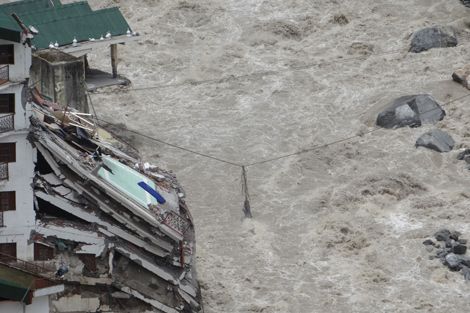
Loss of Lives and Property: Homes, roads, and bridges are washed away during flash floods.
Agricultural Damage: Farmland and crops in valleys are destroyed.
Environmental Degradation: Soil erosion, landslides, and forest destruction are common.
Displacement of Communities: People are forced to evacuate, losing homes and livelihoods.
Economic Losses: Tourism, agriculture, and local businesses face disruption.
Preparedness and Relief Measures
Early Warning Systems: Monitoring rainfall, river levels, and glaciers to issue timely alerts.
Afforestation and Soil Conservation: Prevents landslides and reduces flash flood risks.
Safe Urban Planning: Building resilient infrastructure with proper drainage.
Community Awareness Programs: Educating locals about evacuation, safety, and emergency procedures.
Disaster Response Planning: Coordination between local authorities and relief agencies.
Preparedness and Relief Measures
Early Warning Systems: Monitoring rainfall, river levels, and glaciers to issue timely alerts.
Afforestation and Soil Conservation: Prevents landslides and reduces flash flood risks.
Safe Urban Planning: Building resilient infrastructure with proper drainage.
Community Awareness Programs: Educating locals about evacuation, safety, and emergency procedures.
Disaster Response Planning: Coordination between local authorities and relief agencies.
Role of Godwills Disaster Assurance Help Management Council India
During Himalayan floods, Godwills Disaster Assurance Help Management Council India plays a vital role in supporting affected communities and building long-term resilience:
Role of Godwills Disaster Assurance Help Management Council India
During Himalayan floods, Godwills Disaster Assurance Help Management Council India plays a vital role in supporting affected communities and building long-term resilience:
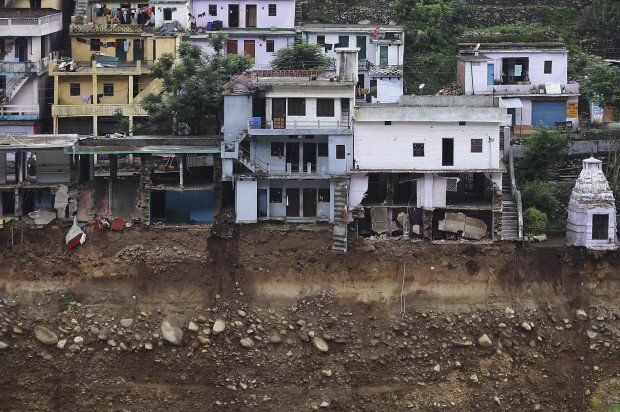
Emergency Relief: Providing food, water, shelter, and medical aid to victims.
Community Training: Conducting workshops on flood safety, first aid, and emergency response.
Farmer & Livelihood Support: Assisting local farmers with crop insurance and disaster rehabilitation.
Collaboration with Local Authorities: Coordinating with state disaster management authorities for faster response.
Long-Term Preparedness: Promoting afforestation, disaster-resistant housing, and community awareness programs.
Emergency Relief: Providing food, water, shelter, and medical aid to victims.
Community Training: Conducting workshops on flood safety, first aid, and emergency response.
Farmer & Livelihood Support: Assisting local farmers with crop insurance and disaster rehabilitation.
Collaboration with Local Authorities: Coordinating with state disaster management authorities for faster response.
Long-Term Preparedness: Promoting afforestation, disaster-resistant housing, and community awareness programs.
Conclusion
Floods in the Himalayan states are a recurring natural challenge. While complete prevention is impossible, early warning systems, sustainable development, and community preparedness can significantly reduce their impact. With the support of Godwills Disaster Assurance Help Management Council India, Himalayan communities can recover faster, safeguard livelihoods, and strengthen resilience against future floods.
Conclusion
Floods in the Himalayan states are a recurring natural challenge. While complete prevention is impossible, early warning systems, sustainable development, and community preparedness can significantly reduce their impact. With the support of Godwills Disaster Assurance Help Management Council India, Himalayan communities can recover faster, safeguard livelihoods, and strengthen resilience against future floods.