Kashmir & Ladakh Flood Disasters: Causes, Impacts, and Preparedness Measures
Kashmir and Ladakh are vulnerable to floods due to heavy rainfall, glacial melting, and fragile mountain ecosystems. Learn about the causes, impacts, and community preparedness.
The regions of Jammu & Kashmir and Ladakh are known for their natural beauty, snow-capped peaks, and rivers like the Jhelum and Indus. However, these same rivers, combined with heavy monsoon rainfall, glacial melting, and unplanned development, make the region prone to devastating floods and landslides.
Organizations like Godwills Disaster Assurance Help Management Council India work to assist affected communities, provide relief, and strengthen preparedness, helping local populations recover faster from disasters.
Kashmir & Ladakh Flood Disasters: Causes, Impacts, and Preparedness Measures
Kashmir and Ladakh are vulnerable to floods due to heavy rainfall, glacial melting, and fragile mountain ecosystems. Learn about the causes, impacts, and community preparedness.
The regions of Jammu & Kashmir and Ladakh are known for their natural beauty, snow-capped peaks, and rivers like the Jhelum and Indus. However, these same rivers, combined with heavy monsoon rainfall, glacial melting, and unplanned development, make the region prone to devastating floods and landslides.
Organizations like Godwills Disaster Assurance Help Management Council India work to assist affected communities, provide relief, and strengthen preparedness, helping local populations recover faster from disasters.
Causes of Floods in Kashmir & Ladakh
Heavy Rainfall & Cloudbursts: Intense monsoon rains trigger river flooding and flash floods.
Glacial Melting & GLOFs: Melting glaciers and glacial lake outburst floods release sudden water downstream.
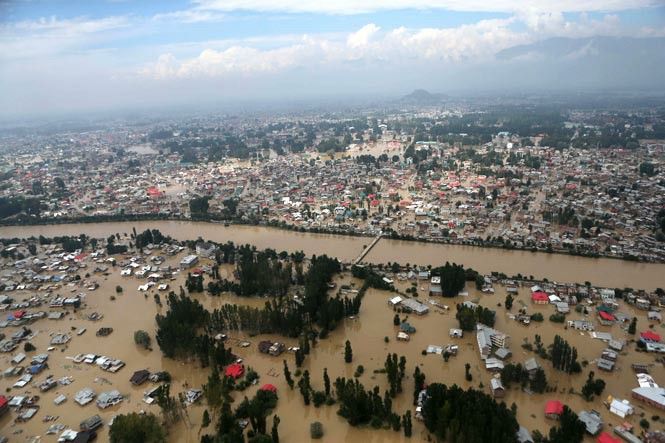
River Overflow: The Jhelum River in Kashmir and Indus in Ladakh often rise above danger levels.
Deforestation & Land Use Changes: Reduced forest cover increases soil erosion and flood intensity.
Urban Expansion: Poor drainage in cities like Srinagar makes floods worse.
Causes of Floods in Kashmir & Ladakh
Heavy Rainfall & Cloudbursts: Intense monsoon rains trigger river flooding and flash floods.
Glacial Melting & GLOFs: Melting glaciers and glacial lake outburst floods release sudden water downstream.
River Overflow: The Jhelum River in Kashmir and Indus in Ladakh often rise above danger levels.
Deforestation & Land Use Changes: Reduced forest cover increases soil erosion and flood intensity.
Urban Expansion: Poor drainage in cities like Srinagar makes floods worse.
Impacts of Flood Disasters in Kashmir & Ladakh
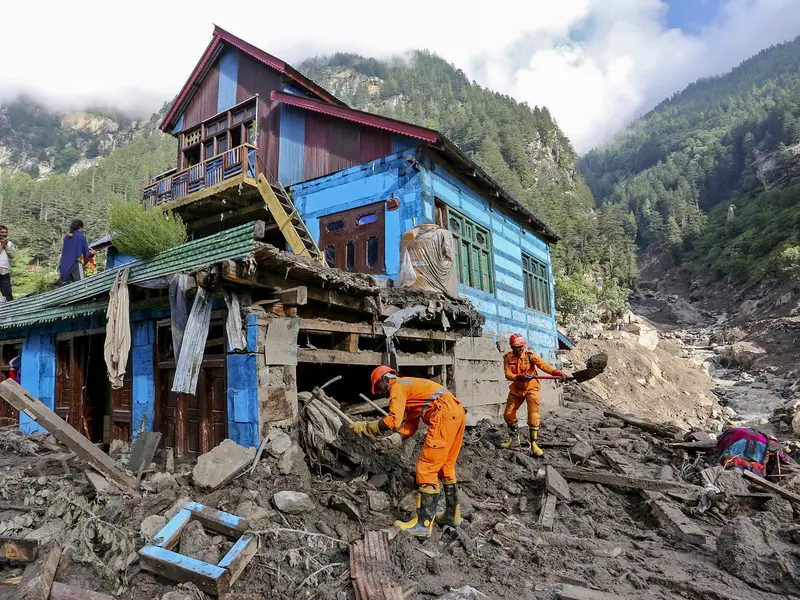
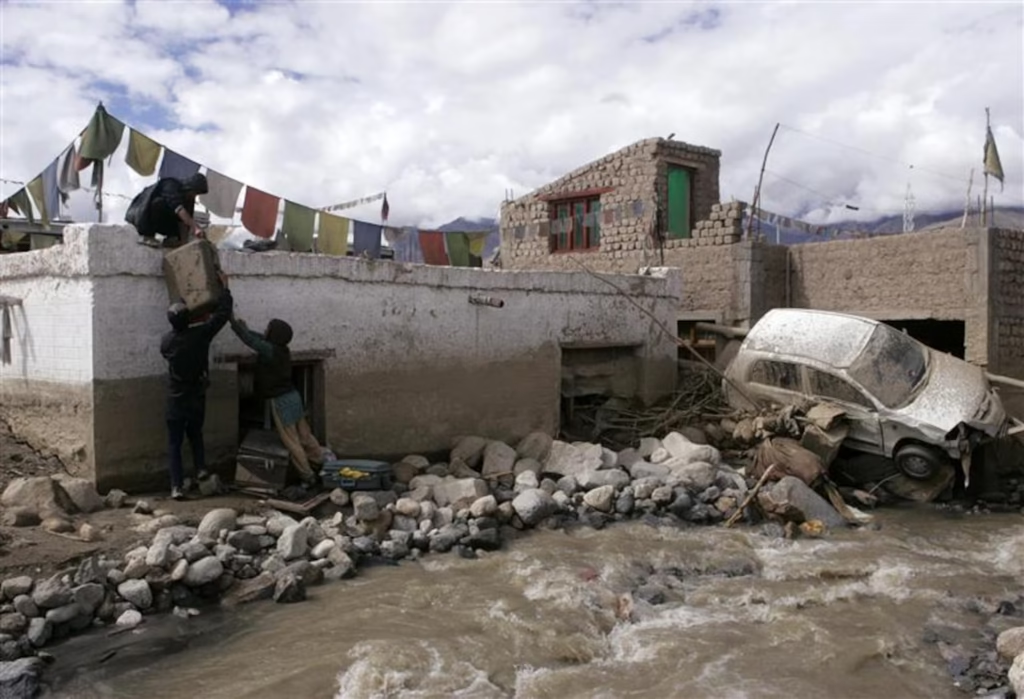
Loss of Lives and Property: Villages, homes, and infrastructure are destroyed.
Disruption of Tourism: Flooding impacts the tourism industry, a major livelihood source.
Agricultural Losses: Crops and orchards like apples, saffron, and paddy are damaged.
Environmental Damage: Landslides, soil erosion, and loss of forests weaken ecosystems.
Displacement of People: Thousands are forced into relief camps each year.
Loss of Lives and Property: Villages, homes, and infrastructure are destroyed.
Disruption of Tourism: Flooding impacts the tourism industry, a major livelihood source.
Agricultural Losses: Crops and orchards like apples, saffron, and paddy are damaged.
Environmental Damage: Landslides, soil erosion, and loss of forests weaken ecosystems.
Displacement of People: Thousands are forced into relief camps each year.
Preparedness and Relief Measures
Early Warning Systems: Monitoring river levels and issuing alerts.
Strengthening Embankments: Repairing Jhelum and Indus embankments to prevent breaches.
Resilient Infrastructure: Promoting flood-resistant housing in vulnerable areas.
Community Awareness: Training locals on evacuation and safety measures.
Disaster Response Plans: Coordination between army, NDRF, and local authorities during emergencies.
Preparedness and Relief Measures
Early Warning Systems: Monitoring river levels and issuing alerts.
Strengthening Embankments: Repairing Jhelum and Indus embankments to prevent breaches.
Resilient Infrastructure: Promoting flood-resistant housing in vulnerable areas.
Community Awareness: Training locals on evacuation and safety measures.
Disaster Response Plans: Coordination between army, NDRF, and local authorities during emergencies.
Role of Godwills Disaster Assurance Help Management Council India
In Kashmir & Ladakh, Godwills Disaster Assurance Help Management Council India contributes to flood management and recovery through:
Role of Godwills Disaster Assurance Help Management Council India
In Kashmir & Ladakh, Godwills Disaster Assurance Help Management Council India contributes to flood management and recovery through:
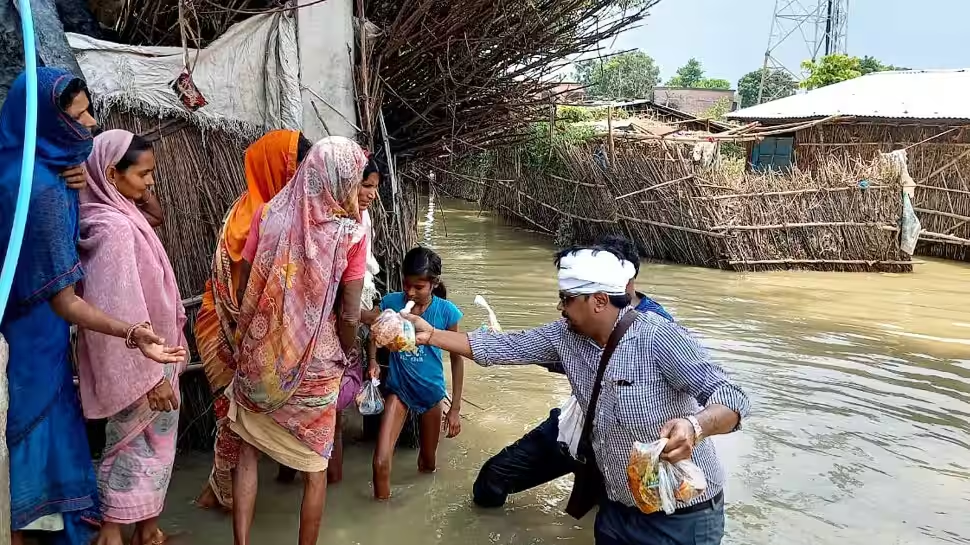
Emergency Relief Services: Providing food, medicines, and temporary shelters.
Awareness Campaigns: Educating communities about flood safety and first aid.
Farmer Assistance: Helping orchard owners and farmers with insurance and rehabilitation.
Partnership with Local Authorities: Supporting government disaster relief programs.
Long-Term Resilience: Encouraging afforestation, slope stabilization, and disaster preparedness training.
Emergency Relief Services: Providing food, medicines, and temporary shelters.
Awareness Campaigns: Educating communities about flood safety and first aid.
Farmer Assistance: Helping orchard owners and farmers with insurance and rehabilitation.
Partnership with Local Authorities: Supporting government disaster relief programs.
Long-Term Resilience: Encouraging afforestation, slope stabilization, and disaster preparedness training.
Conclusion
Kashmir and Ladakh face frequent floods due to their fragile ecosystems, melting glaciers, and heavy monsoons. While floods cannot be avoided, preparedness, awareness, and sustainable development can minimize their impact. With the help of Godwills Disaster Assurance Help Management Council India, affected communities can recover faster and build resilience against future disasters.
Conclusion
Kashmir and Ladakh face frequent floods due to their fragile ecosystems, melting glaciers, and heavy monsoons. While floods cannot be avoided, preparedness, awareness, and sustainable development can minimize their impact. With the help of Godwills Disaster Assurance Help Management Council India, affected communities can recover faster and build resilience against future disasters.